Organization of ventilation in the house
Regular airing of the house where people live is a prerequisite for the comfort of residents. A healthy microclimate creates precisely a constant air exchange: the inflow of fresh air and the outflow of exhaust air. In an unventilated room, the concentration of harmful substances that are produced by a person during breathing is increased: ketones, methane, aldehydes and ammonia. More than four hundred toxins are released from the surface of the skin, furniture, and appliances, during cooking. Accumulating in the room and interacting with tissue proteins, some of them, for example, aldehydes, cause pathological changes in the lungs and other internal organs. Others lead to dizziness, and asthma attacks.
Another problem of insufficient ventilation is an increase in the percentage of air humidity. Reaching certain values, humidity leads to the growth of mold, which in turn destroys the house and everything in it.
Local ventilation of rooms
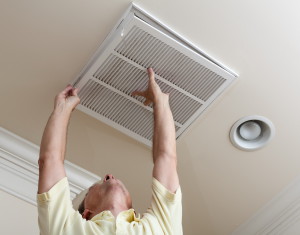
For high-quality ventilation of the building, it is necessary to give air access to all rooms of the house, and some of them need accelerated air exchange:
- bathroom, toilet;
- pantry;
- kitchen;
- workshops, if available (for example, a garage combined with a house).
The specificity of these rooms implies high humidity, the concentration of water vapor, unpleasant odors and, at the same time, limited opportunities to open and close the windows.
Means of ventilation
Airing the rooms of the house is possible in two ways:
- Natural ventilation: through slots in doorways and windows; using air ducts. Works only under certain weather conditions.
- “Forced” ventilation – through or one-sided aeration. A specially arranged draft is more effective since the renewal of the air masses takes place completely in 20 minutes, but people in the room are at risk of colds and other diseases. One open window is not enough for high-quality ventilation. In the cold season, heat loss occurs in the room, and the air is renewed after at least 40 minutes.
Autonomous and energy-efficient ventilation systems
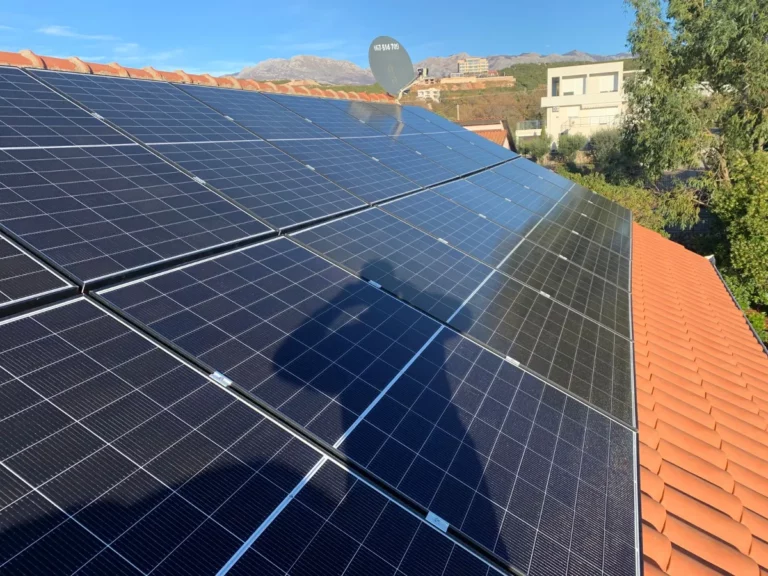
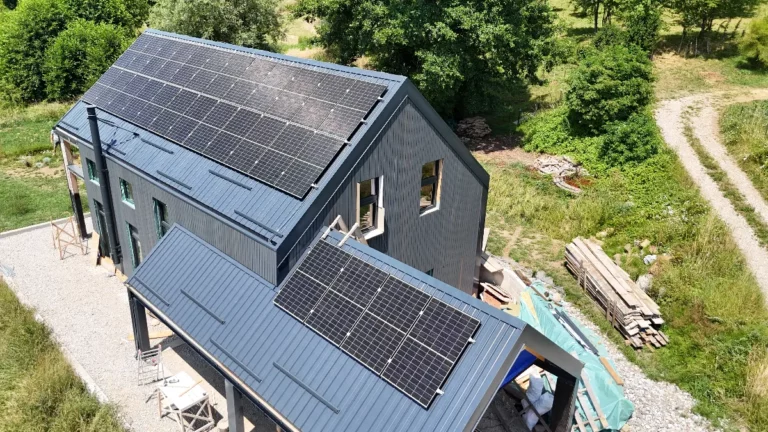
In Germany and France, ventilation in a private house is organized using solar collectors. They managed to become popular among the owners of houses, striving for the economy and environmental friendliness of the devices used. The principle of operation of a collector with a built-in fan is simple:
- Direct exposure to sunlight.
- Air heating.
- Fan rotation inside the device.
- Airflow through ventilation.
The system does not require a connection to the mains and saves electricity when ventilating a private house. Many owners already use collectors, they can be found on the roofs or facades of houses.
Catalog of ventilation systems
Choose your Air Solar Collector
-
 AIR SOLAR COLLECTOR SF5-VС705.00 €
-
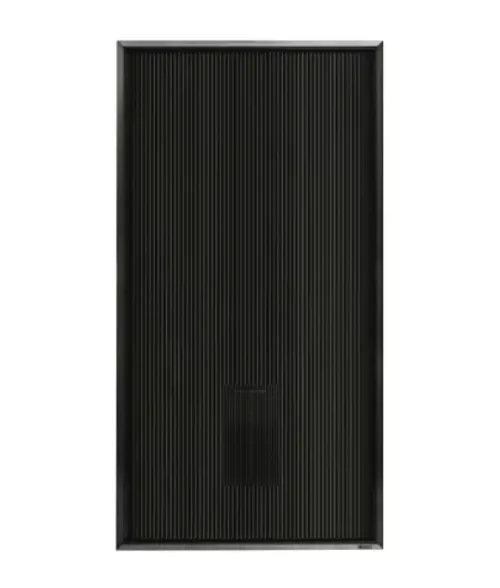 Air Solar Collector SF4-VС587.00 €
-
 Air Solar Collector SF3-VС469.00 €
-
 Air Solar Collector SF2-VС352.00 €