Location and brief
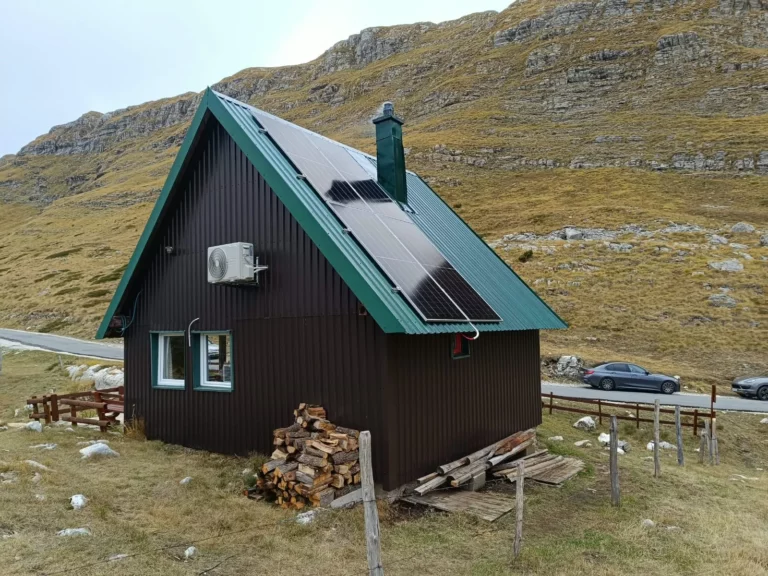
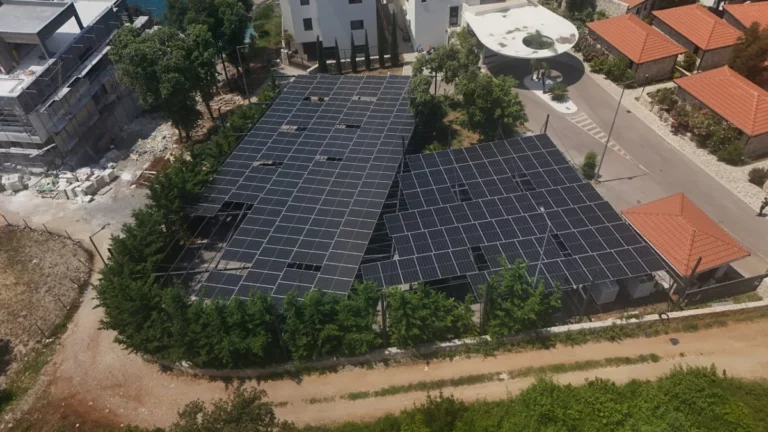
A private house in Montenegro with a tile roof. Six days passed between unloading the equipment and commissioning.
The electricity bill kept growing, and the owner did not want the tiles drilled or the waterproofing broken. He described the goal in everyday terms: in the evening and during an outage the house should run as usual, without a generator and without anyone deciding what may be switched on.
Three conditions came out of that conversation, and they shaped the configuration.
- Storage was mandatory. Without a battery, daytime generation goes to the grid at a tariff that does not pay it back, while the evening peak is still billed in full.
- Mounts go into the rafters, not the roof covering.
- Headroom for later. An electric car and a heat pump are two or three years away. The system has to take that load without replacing its core equipment.
Equipment installed
Solar array
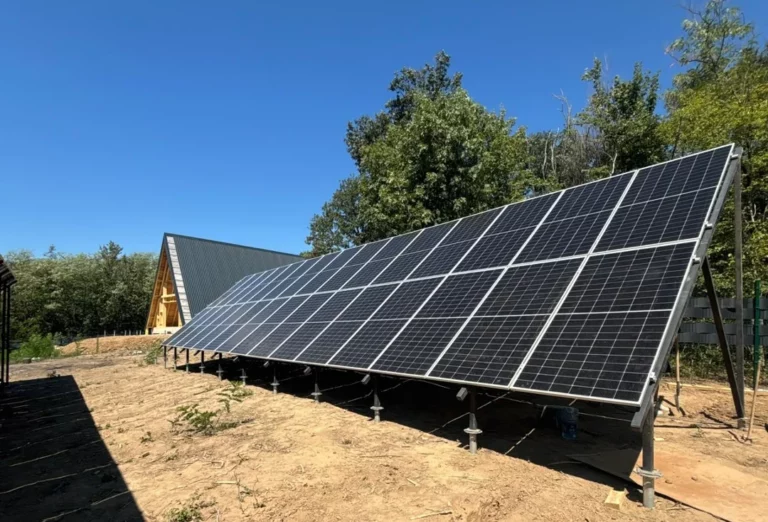
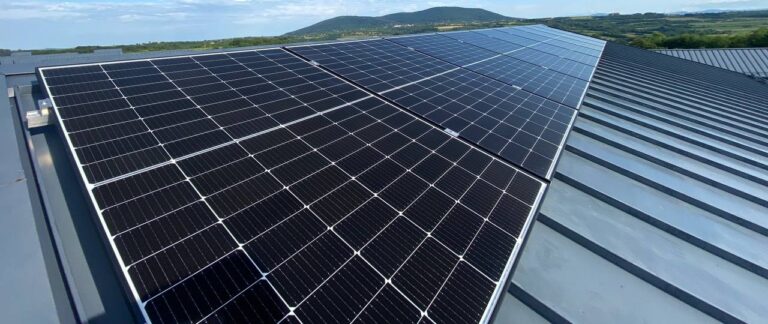
- 36 AIKO Neostar 2S+ panels, 500 W each
- Total array output: 18,000 W
- Module efficiency 22.4%, full black finish with no visible contact grid
- Manufacturer warranty 15 years, design life 30 years
Panels rated at 20% would deliver the same output, but five more of them would be needed, and the available roof plane was not that large.
Energy storage
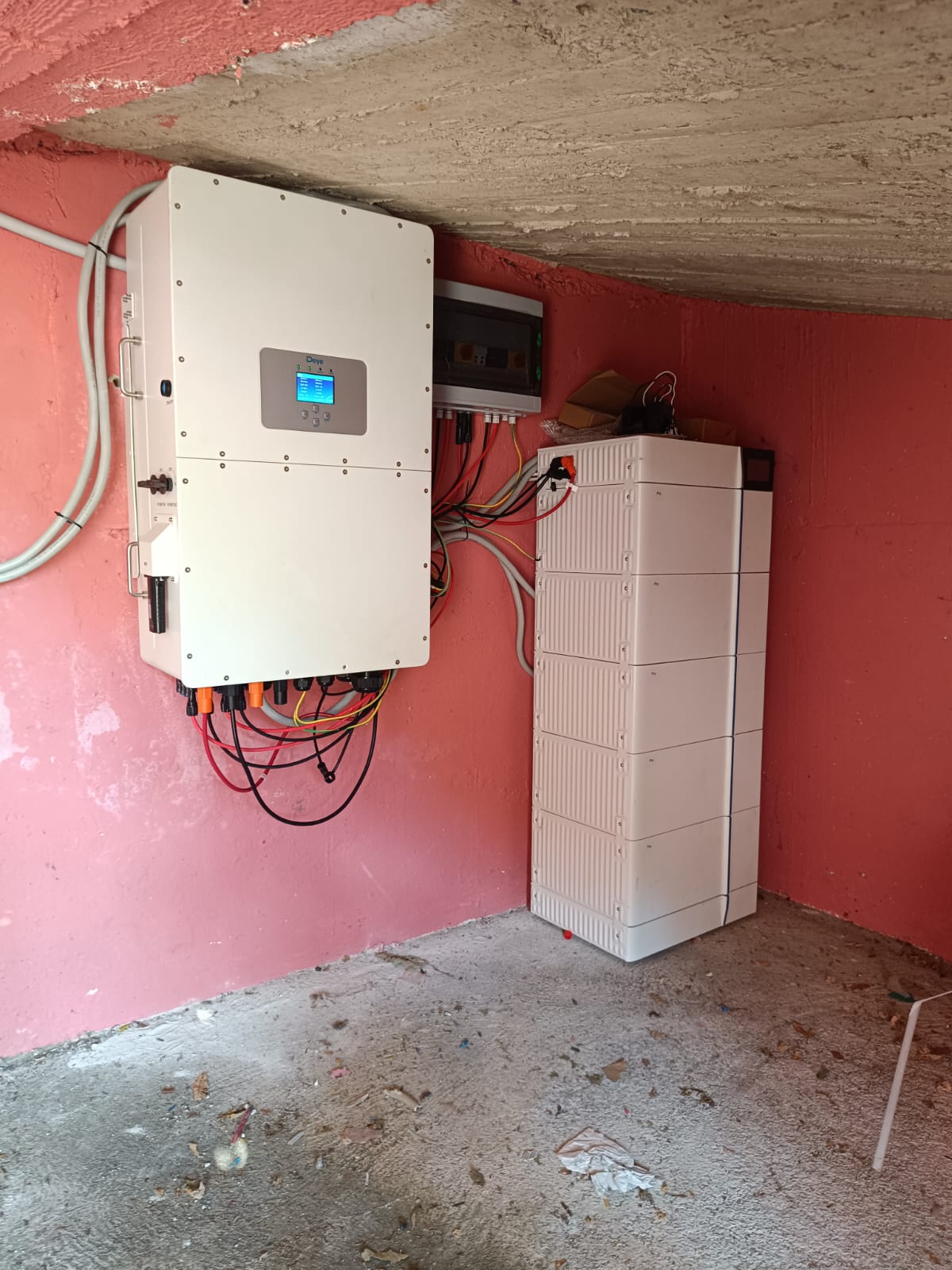
- 5 DEYE GB-L Pro modules of 4.09 kWh each
- Total capacity: 20.5 kWh, high-voltage stack of roughly 520 V
- LiFePO4 chemistry, 95% depth of discharge, 6,500+ cycles
- DEYE GB-LBS-PRO BMS controller managing the cluster
- Manufacturer warranty 10 years
Inverter
- Hybrid DEYE inverter, three-phase, specified with power headroom
- Conversion efficiency up to 97.6%, MPPT 99.9%
- Two independent MPPT trackers
- IP65 rating, passive cooling, operating range −40 to +60 °C
- Automatic grid/battery switching, remote monitoring
Mounting and steelwork
- Aluminium system for tile roofs: hooks slide under the tiles and fasten to the rafters
- The roof covering stays intact and the waterproofing is untouched
- Steel structure with railing — welded and installed on site
Electrical work and protection
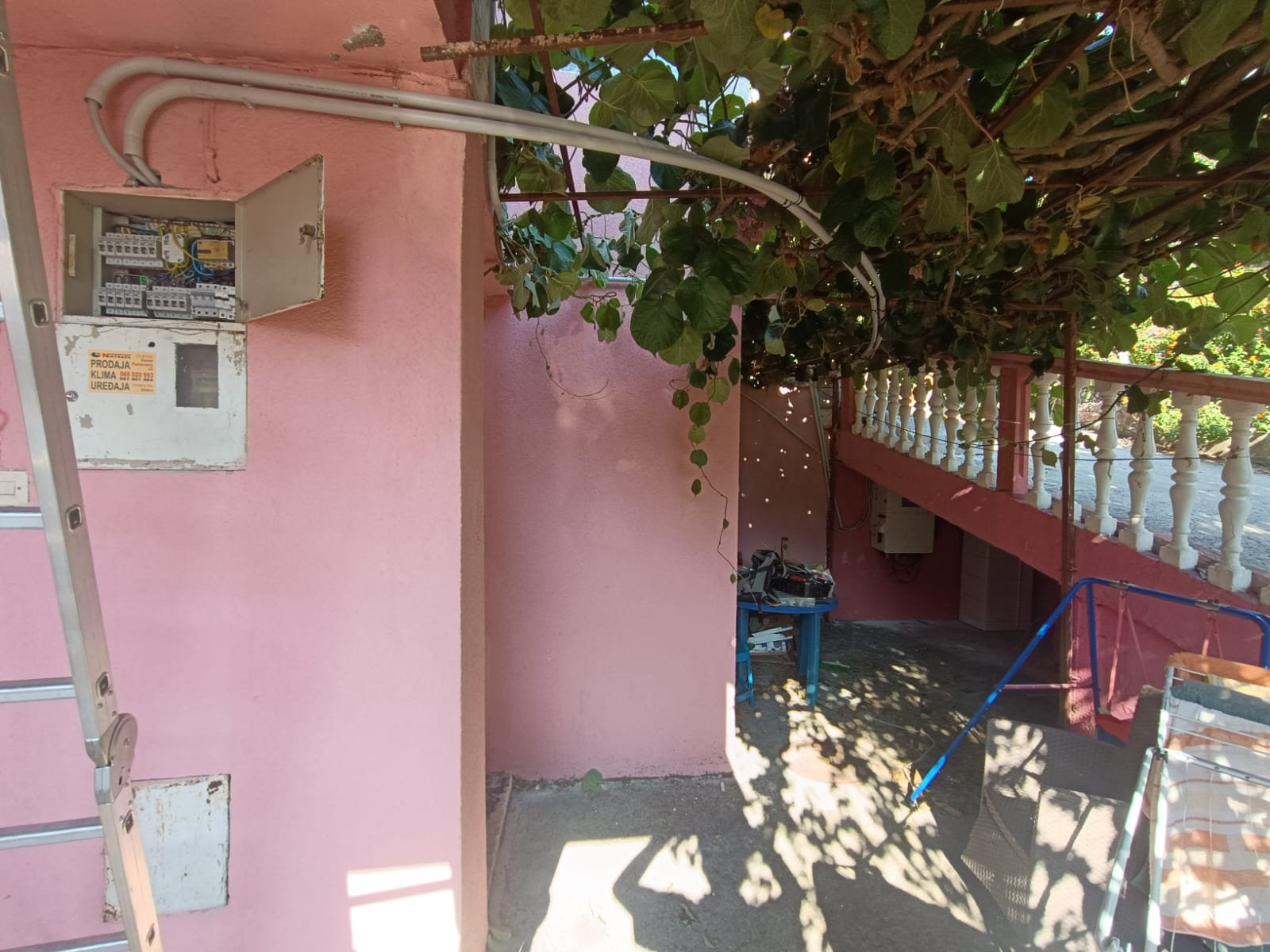
- Distribution cabinet with an RCD and circuit breakers
- Surge protection: AC side type III, DC side type II
- Frequency and voltage monitoring, earthing on all circuits
- Inverter connected to the internet with monitoring set up in a phone app
Why the configuration looks like this
The inverter was specified with headroom
Inrush currents. A well pump, an air-conditioning compressor and workshop tools draw several times their rated current at startup. An inverter sized with no headroom trips into protection on that start and drops the load.
Expansion. When the electric car and heat pump arrive, panels and battery modules get added while the inverter stays. Replacing the central unit in three years would cost more than the headroom built in now.
The battery is a high-voltage stack
The modules are wired in series at roughly 520 V. At the same power the current is about five times lower than in 48 V low-voltage systems, which means a smaller cable cross-section, less heating and lower line losses.
In a series string one weakened module limits the whole stack, so the BMS controller watches each module separately: it balances charge, tracks temperature and takes a failing cell out before it drags the neighbouring ones down.
The equipment sits outdoors
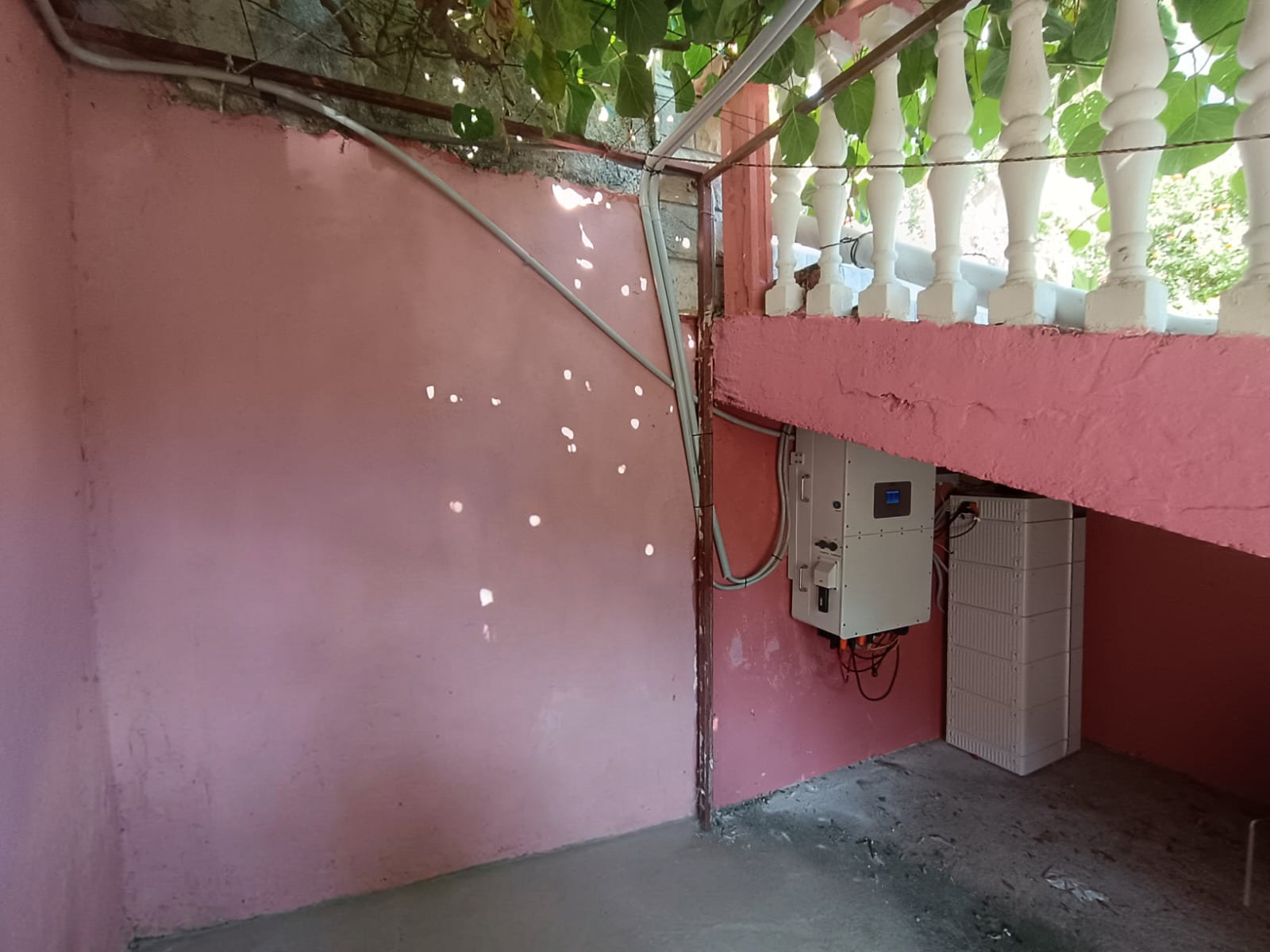
The inverter and the battery rack stand in the alcove under the external staircase. Not a single metre inside the house was given up for them, even though the rack is about a metre and a half tall.
That placement works because of the IP65 rating: dust does not get in and neither do water jets. The staircase above shields them from direct rain and sun. The inverter is passively cooled, with no fan — nothing to clog with dust and nothing to hum under the windows.
Schedule: six days
- Day 1. Delivery of the inverter, panels, AC/DC protection and aluminium mounts
- Day 2. Installation of the steel structure, mounts and panels
- Day 4. DC and AC cable runs, cabinets and inverter installed
- Day 6. Commissioning, programming, monitoring brought online
The start date was agreed in advance and the equipment arrived on site ten days before installation. The client had a schedule with dates rather than a promise of “sometime this month”.
Outcome
- Daytime. The fridge, the air conditioning and household appliances run on self-generated power
- Evening and night. Close to 20 of the 20.5 kWh are usable: lighting, fridge, router, TV, pump and air conditioning hold until morning
- During an outage. The inverter switches to storage with no pause: equipment does not reboot and the internet stays up
- Servicing. LiFePO4 needs none. Once a year — an inspection and a panel wash
- Expansion. The inverter headroom means panels and battery modules can be added later, with only those bought
Cost and warranties
€24,324 including VAT — the full turnkey price: equipment, shipping, customs, steelwork, installation and commissioning. Payment is split into four instalments tied to stages: an advance on equipment, customs duties, an advance on installation, and final settlement after commissioning.
- AIKO panels — 15 years
- DEYE battery modules — 10 years
- DEYE inverter — 5 years
- Installation work — matches the manufacturer warranty
Want a project like this?
Send us the site address and your average electricity bill. Within two working days we come back with a calculation of capacity, storage size and a quote.
Every project is unique. This solution was developed individually for the requirements and conditions of this particular site.