Attic ventilation: organization issues
A mansard roof is a variant of an insulated attic, the presence of ventilation for it is a prerequisite. However, a competent technical implementation of attic ventilation requires taking into account the features of the structural variation of the roof and its shape, which can be:
- lean-to;
- gable gable;
- gable semi-hip;
- four-slope hip;
- four-slope semi-hip;
- attic;
- multi-forceps;
- hipped or pyramidal.
In the case of its competent design and arrangement, the attic serves as a full-fledged additional floor and gives the house a cozy appearance. However, heated moist air from the rooms of the lower floors comes here, so the creation of a ventilation system becomes one of the most important tasks for the owners of the house.
What does the lack of good ventilation lead to?
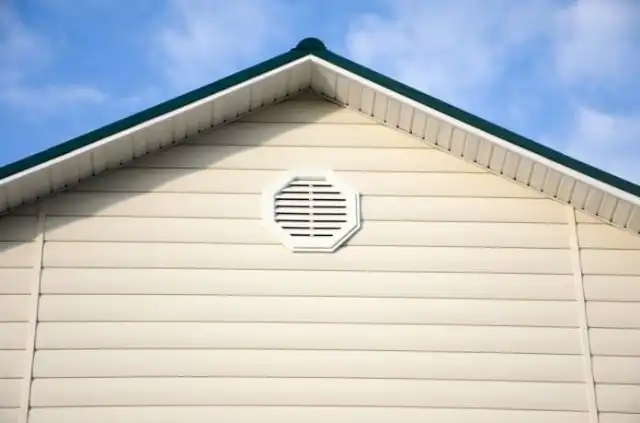
The lack of air circulation in the attic room creates conditions for the accumulation of condensate and wetting of the insulation, which, in turn, leads to other difficulties:
- corrosion of metal parts of the roof;
- the development of mold fungi;
- loss of heat-saving properties of the house and an increase in the cost of heating it and maintaining a comfortable microclimate.
Full ventilation relieves the atmosphere of the attic from excess moisture, preventing the appearance of mold and the reproduction of pathogenic bacteria, and damage to the roof and ceilings. It protects natural tiles from moistening, and insulating material, and reduces the cost of heating and air conditioning the premises of the house. Good airflow is also useful in summer, as it prevents the roof from overheating, and in winter and spring, it prevents ice from accumulating on cornices and roof overhangs.
Ways to organize attic ventilation: choose the best
The question of how to ventilate the attic is most often decided in favor of organizing natural ventilation. However, it does not help to ensure sufficient air exchange and compliance with strict air humidity indicators. In this case, air masses are updated due to the difference in temperature and pressure inside and outside the room due to the presence of ventilation ducts and shafts, as well as natural gaps and cracks.
Ventilation in this way is carried out non-uniformly, since the air exchange rate depends on the weather, the strength and direction of the wind, and the technological features of the ventilation shafts. Regular opening of windows and doors, often used to enhance natural ventilation, is possible only in the warm season, but is ineffective and unsafe.
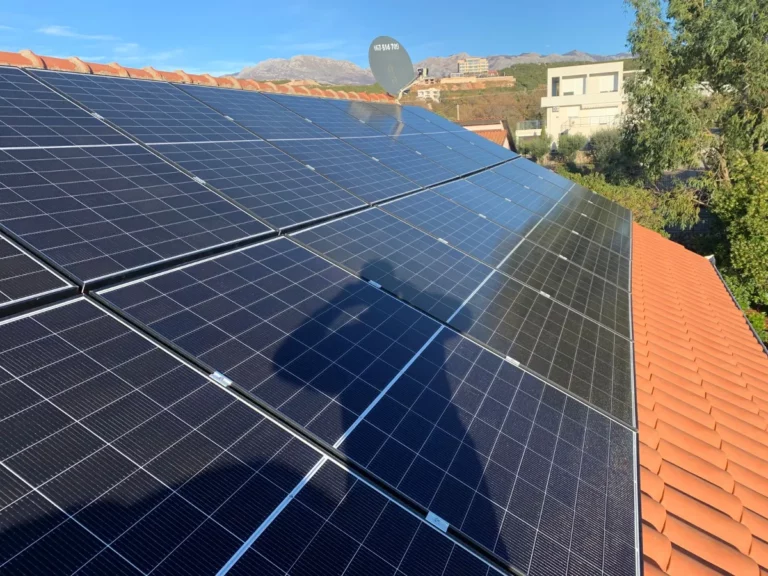
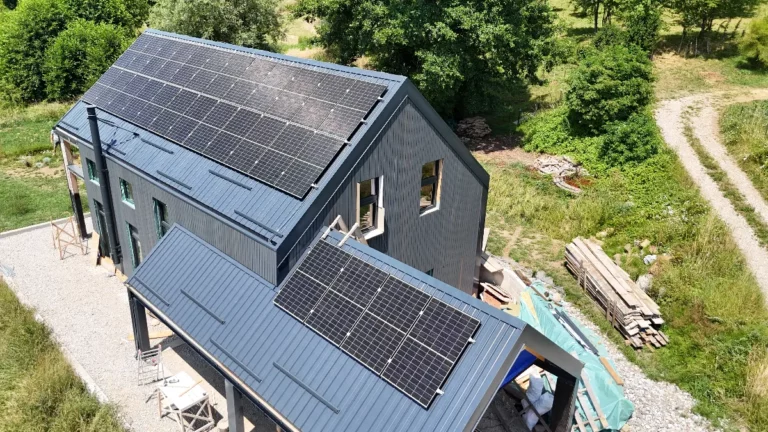
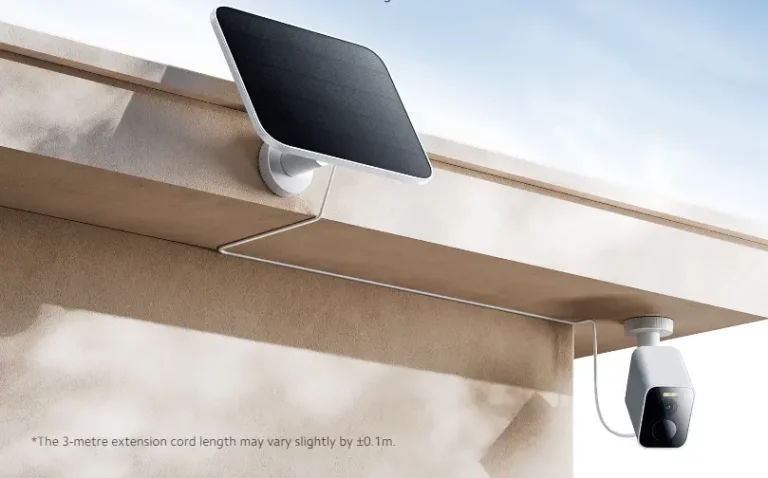
Forced exhaust means the use of special equipment: fans, air conditioners, and split systems, air solar panels with a built-in ventilation system. The latter is gaining more and more popular because they provide autonomous ventilation of the attic and operate on free clean energy from the sun.
The use of air collectors significantly reduces energy costs and the load on the network. Installation of a ventilation system based on a solar panel does not require the development of technical documentation, it is carried out simply and quickly.
Solar collectors allow not only remove stagnant air and pump fresh air into the attic, but also to pre-warm it, freeing it from dust, polluting particles, and excess moisture. With their help, you can easily maintain an optimal and healthy microclimate in the attic room in automatic ventilation mode.
Ventilation systems for attic rooms
Choose your Air Solar Collector
-
 AIR SOLAR COLLECTOR SF5-VС705.00 €
-
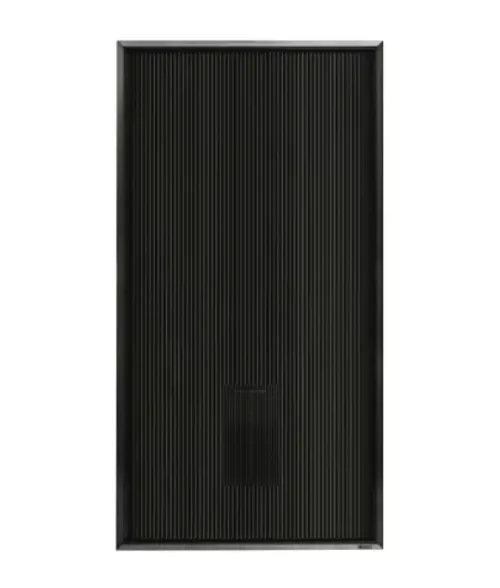 Air Solar Collector SF4-VС587.00 €
-
 Air Solar Collector SF3-VС469.00 €
-
 Air Solar Collector SF2-VС352.00 €