Heating in the attic
Heating the attic of a residential apartment building or a private cottage solves a number of problems:
- increase in usable area of the house;
- improving the energy efficiency of the facility;
- protection of the roof from freezing in winter and dampness when the snow melts;
- increase the life of the roof.

SNiP 41-01-2003 sets strict standards for attic heating systems. For example, for apartment buildings it is not allowed to conduct pipelines in the attic if the project does not immediately provide for a warm attic. Therefore, when re-equipping the attic, local heating options are chosen: the installation of air equipment or electric radiators.
The temperature in the attic of the cottage in autumn-winter, at the beginning of spring is set depending on the specifics of the use of the premises. If this is a living room, the optimum temperature is 22º – 25º C. Also, heating should be:
- safe;
- economically viable;
- reliable.
What modern attic heating systems meet these requirements?
Proper attic heating
There are the following attic heating systems:
- Water.
- Air.
- Electrical.
- Solar.
Each of them has features of design and installation. Water heating is connected to a centralized system, if there is no pipeline in the attic, its design and tie-in entails time and financial costs. Homeowners prefer local heating, such as electric. A striking example is “warm floors”.
A heating cable is laid under the floor covering of the attic, it is connected to the general electrical network. The temperature is controlled by sensors and controllers. They automatically turn on the “warm floor” and turn it off when the set temperature is reached. Despite the apparent convenience of the system, it is not without drawbacks: complex design, expensive execution, the need to completely re-lay the floors. In addition, electricity remains an expensive energy source: during the heating season, bills from energy sales companies will be large.
Attic air heating is an economical option. There is no need to prepare a project for the installation of equipment, from the initial costs – only the cost of purchasing devices. Devices heat the air and disperse it through the attic, the walls and floor are heated, a comfortable temperature is set. But when the device is turned off, the attic cools down just as quickly, the devices must work constantly. If at the same time they consume electricity, then the cost of heating the attic grows.
Therefore, for many, solar heating becomes the right attic heating.
Solar heating in the attic: efficient and inexpensive

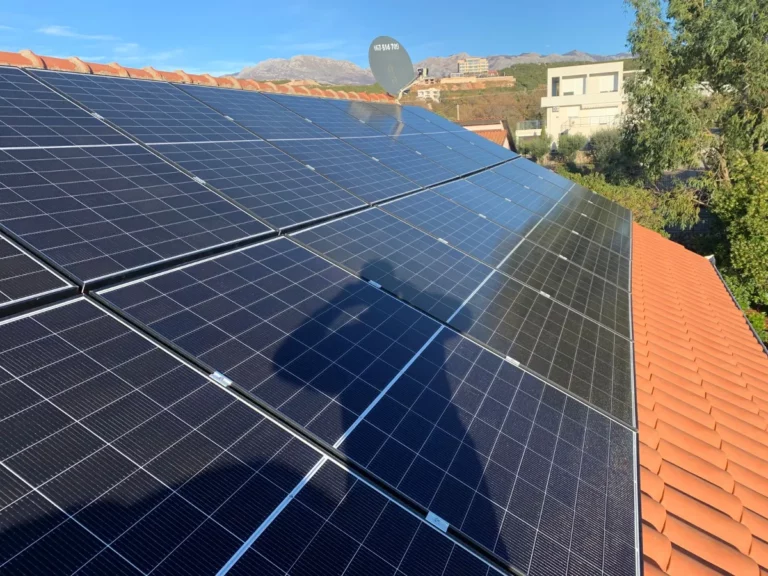
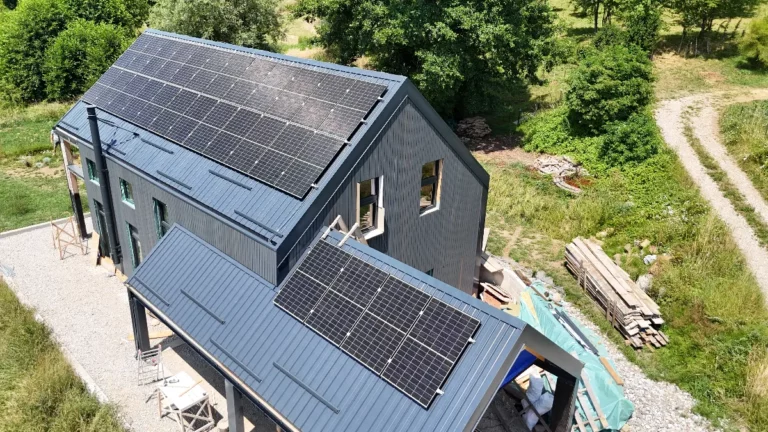
One option for local attic heating is solar-powered heating. In the attic, one or more collectors of the required power are installed, selected depending on the area of \u200b\u200bthe room and its geometry. The devices are not connected to the mains, due to which attic heating does not depend on external energy sources.
Solar heating in the attic is notable for:
- Minimal costs for commissioning: no preliminary costly calculations, drafting projects are required.
- Simple installation.
- The possibility of creating efficient heating for rooms of various sizes.
- Economic feasibility: the equipment runs on free renewable energy.
Buy a solar collector for the attic
Read also
HOW TO GET RID OF MOLD IN THE ATTIC
Choose your Air Solar Collector
-
 AIR SOLAR COLLECTOR SF5-VС705.00 €
-
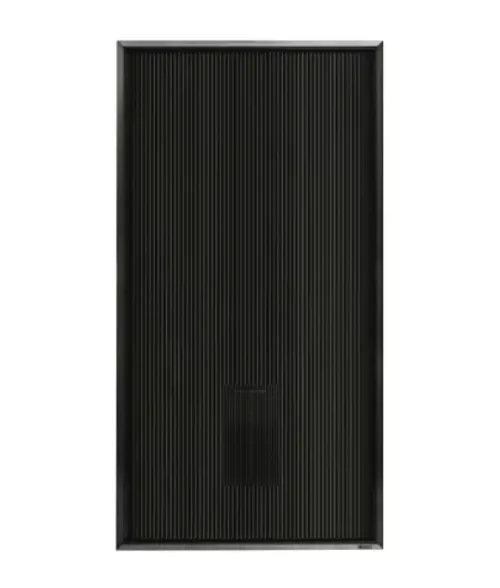 Air Solar Collector SF4-VС587.00 €
-
 Air Solar Collector SF3-VС469.00 €
-
 Air Solar Collector SF2-VС352.00 €