The problem of humidity in the vegetable store and its inexpensive solution
The conditions created in the vegetable store determine the keeping quality of agricultural products, their nutritional value and taste characteristics. If the indicators are violated, there is a risk of developing mold and rot, damage to root crops, and partial or complete loss of the crop. Humidity in a vegetable store is one of the most difficult to regulate standards. To maintain it, a well-functioning ventilation system is required, which would simultaneously eliminate all the risks associated with the appearance of dampness and prevent excessive dryness of the air.
What should be the humidity?

According to GOST, the humidity in the vegetable store should not fall below 75-80%, and for potatoes and carrots – below 85%. Otherwise, the products will begin to lose juice, become flabby and “rubber” in taste, and not suitable for sale or processing. In the process of respiration, root crops naturally regulate the humidity in the room, releasing carbon dioxide and water. But this leads to the formation of condensate, which falls both on the walls and floor of the vegetable store and on the root crops themselves.
Drops of water fall on the slings and wiring, and water vapor settles on trusses and containers. As a result:
- Rust appears on the supporting structures: the vegetable store begins to sag, and lose its operational characteristics.
- Mold colonies develop, affecting products, wooden structures, crates and boxes – all this becomes unsuitable for further use.
- There is a risk of a short circuit.
The owner of the vegetable store bears losses: the crop deteriorates and dies, the premises need serious repairs and disinfection, and there are complaints from the fire department.
How to avoid it?
Elimination of dampness in the vegetable store
Usually, when dampness appears, the problem is solved by installing autonomous dehumidifiers. But in the case of a vegetable store, this method is unacceptable: the room will become too dry, and agricultural products will begin to lose their value. Therefore, only the effects of high humidity need to be eliminated: condensation.
This task is effectively handled by mechanical ventilation. It maintains the constant movement of air masses, and drops of water falling on the walls instantly evaporate without having time to cause any damage to the room or stored products. But even here there are some peculiarities: the equipment to maintain its work consumes a large amount of electricity and the cost of eliminating dampness and maintaining the vegetable store increases dramatically.
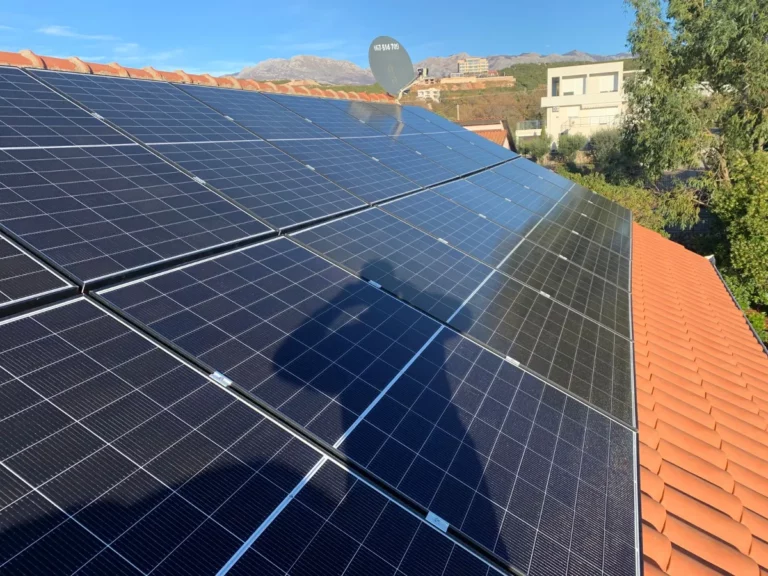
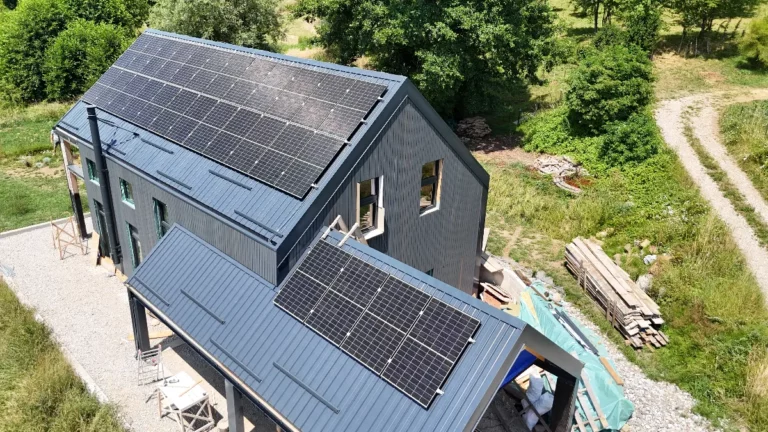
This can be avoided by installing a ventilation system that runs on an alternative source – for example, solar energy. Autonomous devices do not require connection to the mains, do not consume electricity, do not create a fire hazard. Another significant advantage of solar equipment over electric equipment: its installation does not require approval or development of project documentation.
Choosing the optimal solution
To maintain the required microclimate, it is recommended to organize mechanical ventilation. And to reduce the cost of its installation and maintenance – choose solar-powered devices. As a result, the required humidity in the vegetable store will be maintained, and the condensation problem will be solved.
Eliminate dampness in the vegetable store
Choose your Air Solar Collector
-
 AIR SOLAR COLLECTOR SF5-VС705.00 €
-
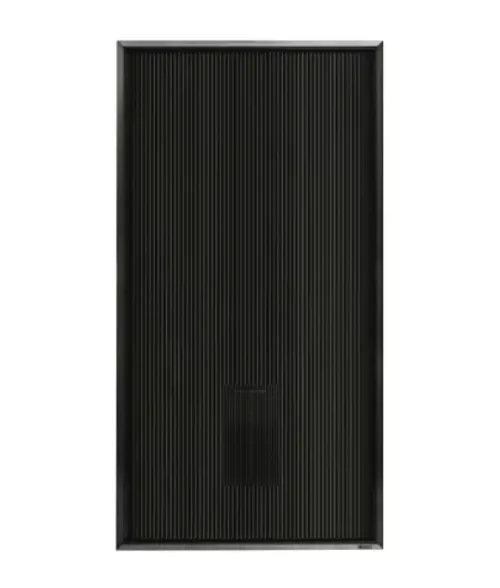 Air Solar Collector SF4-VС587.00 €
-
 Air Solar Collector SF3-VС469.00 €
-
 Air Solar Collector SF2-VС352.00 €