Ventilation in the garage
Garage (from fr. canopy, shelter) – a room for putting a vehicle into storage or a place for repairing and refueling cars, motorcycles, and other vehicles. There are built-in garages – when the garage is part of the house; separate buildings. By a number of floors: one- or two-story buildings. In the construction of garages, slag and foam blocks, bricks, wood, and metal are used.

Why do you need ventilation in the garage?
If the garage is not properly ventilated, condensation will form. It forms increased humidity, which leads to corrosion of the vehicle, and tools, the development of rust, destruction of the structure. Toxic substances accumulate in the room, for example, carbon monoxide, nitrogen oxides, and carcinogens – their concentration in a closed garage is dangerous to the health and life of the owner.
How should the proper ventilation of the garage be organized?
According to building and sanitary norms and rules in the garage:
- full circulation of air is maintained at a rate of 10 times a day;
- the inflow of air free from toxins – 180 cubic meters per hour;
- room temperature – from + 5 degrees Celsius.
natural ventilation
Natural ventilation in the garage does not require additional investments. All that is needed is an inlet and outlet, protected by a mesh from insects and rodents. But this is the only plus of the system. There are many more cons:
- system productivity depends on temperature and wind direction;
- it is impossible to increase or decrease the intensity of air exchange;
- natural ventilation of the garage can not cope with high humidity;
- grids should be cleaned regularly.

Forced ventilation
Forced garage ventilation is an alternative to natural ventilation for everyone who values their health and their property. Artificial ventilation of the garage space is provided by supply and exhaust openings, which are equipped with fans. Such a system allows you to control the intensity of air exchange, does not depend on temperature and quickly removes polluted air.
There are also disadvantages to forced ventilation of the garage. Chief among them is cost. As a rule, fans run on electricity, which means that the amount in the bills will increase.
Solar energy for garage ventilation
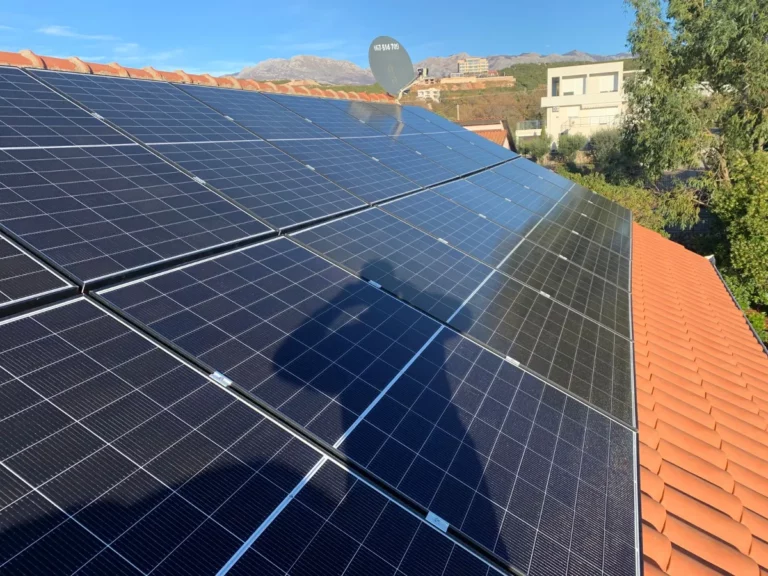
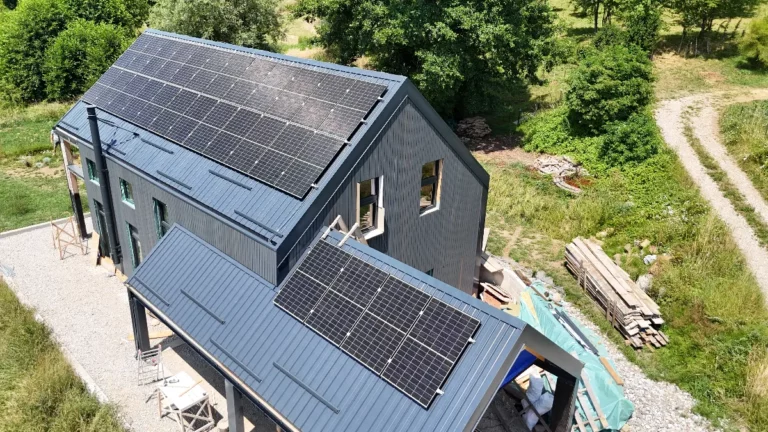
How to properly ventilate the garage and at the same time not go broke on paying bills? Combine the usual ventilation system with the ability to use solar energy to ventilate the garage.
The sun is an inexhaustible and free resource. In Europe and the USA, solar energy is used to solve the problems of heating and generating electricity. Garage ventilation with solar energy has the following advantages:
- saves money – solar collectors work autonomously;
- available even where there is no power supply;
- works regardless of the temperature outside the window and the time of year.
Ventilation in the garage can be realized with an air solar collector. Read more about its capabilities in the “Application” section.