Ventilation of industrial premises: the choice of an economical system
Comfortable and safe working conditions are an important aspect of production efficiency. Ventilation of industrial premises is not only a necessity prescribed by law but also one of the key indicators of the employer’s concern for the organization of the labor process of its employees.
In that case, how to make the process fast, economical and efficient?
Ways to ventilate industrial premises
There are two main types of ventilation in workrooms:
- Natural – the classic principle of operation, based on the difference in temperature, while the air can circulate freely throughout the room. If we talk about the organization of the production process in a usable area where many people are at the same time, it becomes clear that even with excellent air exchange, one such ventilation is not enough, it is inefficient. In addition, open windows and doors provoke drafts, which are the cause of sick leaves for employees.
- Mechanical – the built-in system artificially creates an airflow, thereby providing a healthy microclimate. Not surprisingly, this method is the most popular.
In turn, the mechanical ventilation system is of three types:
a) general exchange – helps to organize air exchange throughout the area of \u200b\u200bthe room
b) local – contributes to spot air purification, for example, a fume hood or a ventilation grill.
c) emergency – in case of the urgent need to clean the air from the release of steam or harmful substances. Unlike the previous two, it is mandatory, regardless of the type of production and work performed.
When installing systems, it is important to consider the main factors of the organization of the workflow.
First of all, this is the area of \u200b\u200bthe room and the height of the ceilings. Next, it is necessary to determine the number of employees who are forced to stay in an enclosed space for a long time, as well as the specific time the staff stays in the room. The third determining factor is the type and harmfulness of the work performed.
For small and medium-sized industries, where local ventilation is also required, the solution with electric fans is unprofitable. It involves difficulties with the implementation of the system, obtaining permits, and maintenance. How to ventilate such rooms without difficulties?
Autonomous ventilation of industrial premises: right, profitable, convenient
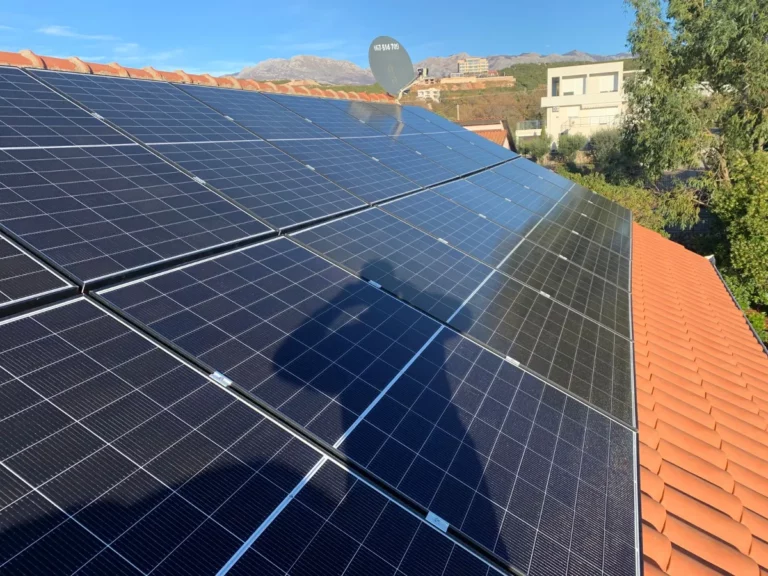
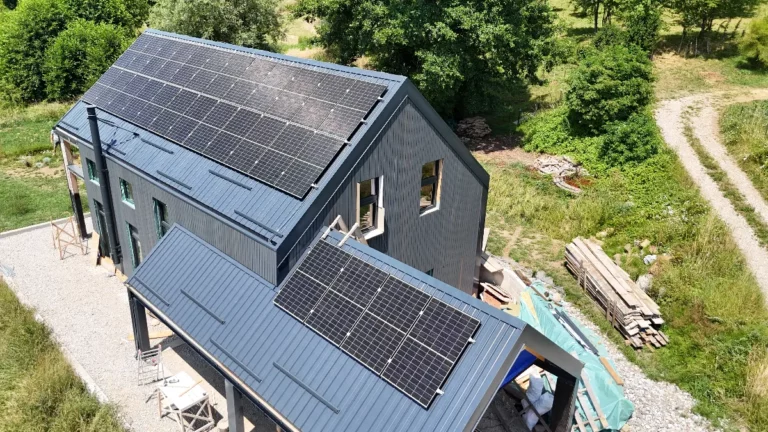
Since the beginning of the 20th century, owners of small industries in Europe and the USA have been using solar and wind energy for ventilation.
Solar-powered appliances not only save money on electricity bills, but also keep buildings and staff fire-safe, and contribute to protecting the environment. Of course, the power of the collector must be selected individually, depending on the needs and situation.
Equipment of this type is easy to install, adjust and maintain.
The use of a solar collector in production will allow to regulate of air humidity and prevent the formation of condensate, as well as create a comfortable microclimate for employees – providing personnel with clean fresh air.
All this in the 21st century is an integral indicator of an efficient production process.
Choose your Air Solar Collector
-
 AIR SOLAR COLLECTOR SF5-VС705.00 €
-
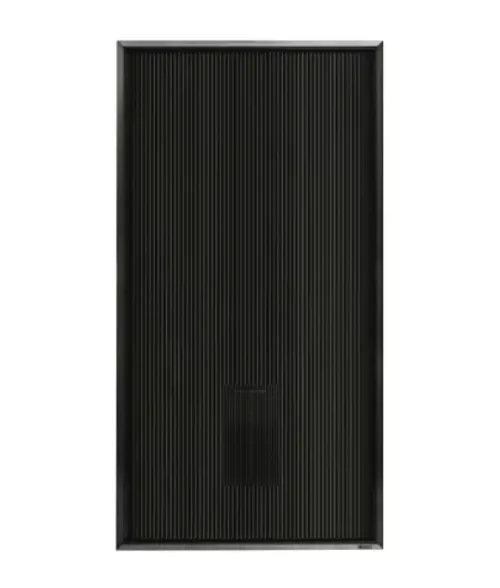 Air Solar Collector SF4-VС587.00 €
-
 Air Solar Collector SF3-VС469.00 €
-
 Air Solar Collector SF2-VС352.00 €